Spot High-Quality Clothing / 3-Minute Checklist
Use this 3-minute checklist to spot quality clothing fast. Score fabric, seams, and finishes before you buy.
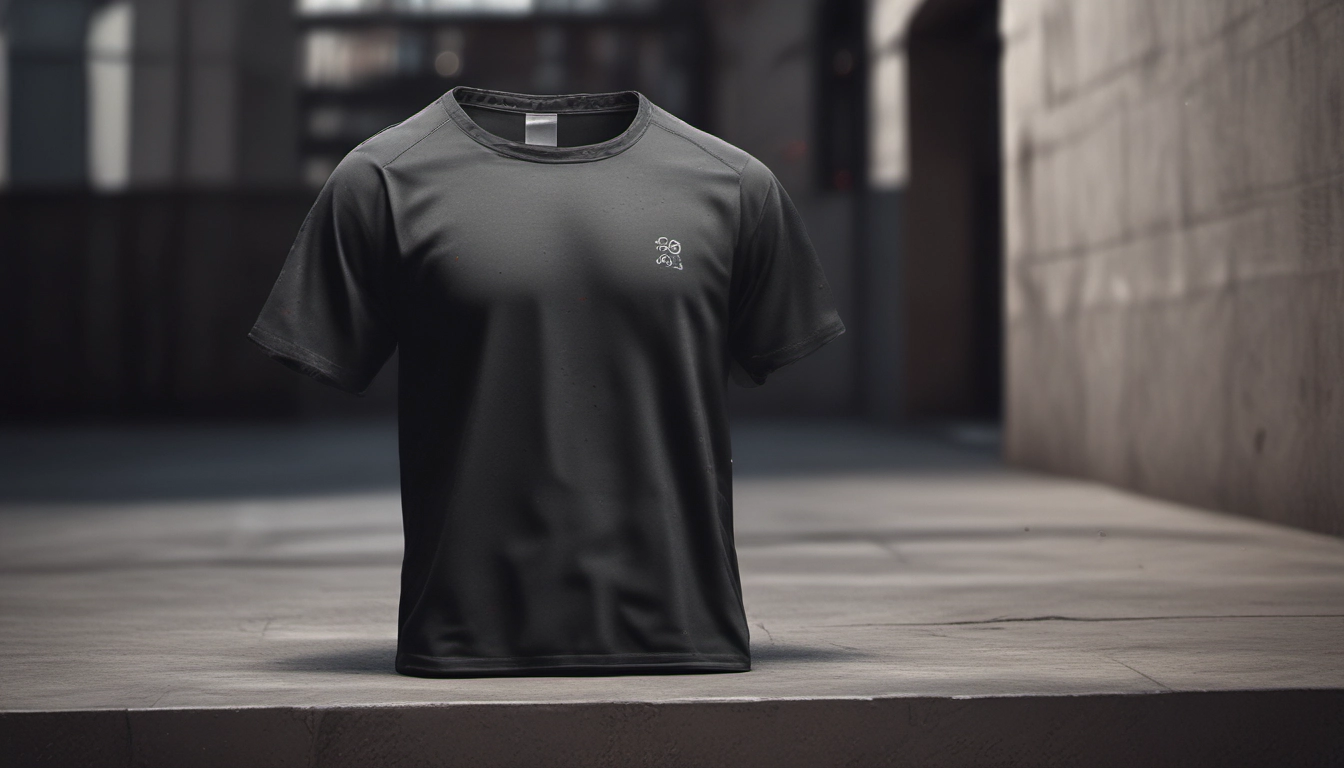
Most “quality” claims are subjective, but the failure modes of low-quality clothes are surprisingly consistent. Watch for thin fabric that goes shiny or pills, seams that twist, hems that ripple, and closures that fail early. This is a how to tell if clothes are good quality workflow you can run in-store (or adapt online) in about three minutes.
One quantitative insight: extending the active life of a garment by about 9 months has been estimated to reduce its combined carbon, water, and waste footprints by ~20–30% by avoiding replacement impacts. The exact percentage varies by fabric type, washing frequency, and regional energy mixes. Treat this as a directionally strong signal, not a universal constant.
The 3-minute checklist (short answer)
- Fabric (60 seconds): handfeel + density + light test (opacity) + stretch recovery.
- Construction (60 seconds): inspect inside; straight seams; secure hems; stress test key points.
- Finishing (30 seconds): zippers/buttons/linings; look for clean, reinforced details.
- Fit signals (20 seconds): check twist, drape, and symmetry before you try it on.
- Online-only checks (10 seconds): fiber content label clarity, close-up photos, wash reviews, return policy.
Printable 0–100 scorecard (use this to decide: buy, tailor, or skip)
This is the “anti-hype” part: a simple rubric that turns a quality clothing guide into a repeatable decision. Use it to compare items in the same category and price band.
| Category | What you look for | Points |
|---|---|---|
| Fabric quality | Substantial handfeel, even surface, good opacity, low-snag risk | 0–35 |
| Fabric performance | Stretch recovery, shape retention, pill-risk cues, appropriate fiber for use | 0–15 |
| Garment construction quality | Straight seams, consistent stitch tension, secure hems, reinforced stress points | 0–30 |
| Finishing & trims | Zipper/button quality, lining, clean inside, pattern matching | 0–15 |
| Transparency signals | Clear fiber content label, care instructions, return/repair policy | 0–5 |
Interpretation: 80–100 buy confidently; 65–79 buy if price/fit is right (or plan to tailor). 50–64 only if low cost or for occasional use; <50 skip.
3-minute in-store workflow (timer-based)
0:00–0:30  Fabric handfeel + surface check (pilling, snags, coatings)
0:30–1:00  Light test + stretch recovery
1:00–2:00  Inside inspection: seams, hems, stitch consistency + quick stress test
2:00–2:30  Finishes: zipper/button/lining + pattern matching
2:30–3:00  Symmetry + twist check; then decide using the scorecard
Step 1: How to check fabric quality (and detect “fake softness”)
A. The feel test (handfeel) with a purpose
Run your hand over the fabric and then lightly scrunch it. High-quality fabric usually feels smooth but substantial, with a consistent texture. Low-quality fabric often feels papery, overly slick, or oddly “buttery” in a way that disappears after a few washes.
If you’re asking how to tell if a T-shirt is good quality by feel, prioritize weight appropriate to the garment, a uniform knit, and a surface that doesn’t immediately fuzz when rubbed. Treat extreme “softness” as a possible finish rather than proof of durability.
B. The light test (opacity) in 5 seconds
Hold the garment up to bright store lighting or a window. You are testing weave/knit density and checking for uneven yarn tension. If you can clearly see your hand silhouette through areas that should be opaque, consider it a practical fail for many everyday pieces.
C. Read the fiber content label—without the “natural good, synthetic bad” myth
Use the fiber content label to check whether percentages are clearly listed and whether the fiber is appropriate for the job. Synthetics can be extremely durable when made well, and natural fibers can still be flimsy if the yarns are short or the fabric is loosely constructed. A small percentage of elastane can improve comfort and shape retention in knits, while too much can reduce lifespan if the elastane degrades.
Note: fiber labels don’t tell you staple length, yarn twist, or finishing chemistry. Use them as a filter, not a guarantee.
Step 2: Garment construction quality—seams, hems, and stitch consistency
A. Look inside first (it’s the fastest truth serum)
Turn the garment partially inside out (or inspect interior seams). To check how to inspect seams and hems for quality, look for even stitching, clean seam finishes, and secure hems. Repeated inconsistency is a stronger red flag than one tiny imperfection.
- Even stitching: straight lines, consistent spacing, no skipping or loose loops.
- Clean seam finishes: bound seams, flat-felled seams (common in denim), or neatly overlocked edges on knits.
- Secure hems: no waviness, tunneling, or loose threads at the edge.
B. Stitch density: stitches per inch (SPI) as a quick heuristic
A common durability rule of thumb is around ~8 stitches per inch or higher on many woven garments, with variation by fabric weight and purpose. Denser is not always better, because overly dense stitching can perforate delicate fabric. Aim for consistent stitch length and appropriate tension.
C. The 10-second seam stress test (in-store safe)
Gently pull (don’t yank) across a seam at a high-stress area such as the underarm, seat, or pocket corner. If stitches gap dramatically or you hear thread popping, that’s a strong signal for how to know if seams will unravel after wear and washing.
Step 3: Finishing & trims—zippers, buttons, lining, and the details that fail first
Many garments look fine until the closures fail. For how to check zipper and button quality on clothing, test movement, attachment, and edge finishing. Details are often where rushed assembly shows up first.
- Zippers: run it up/down twice; it should feel smooth, not gritty. Brand markings like YKK can be a positive signal (not a guarantee).
- Buttons: check tightness and shank stability; loose buttons are an early warning.
- Buttonholes: dense stitching with clean edges (no fraying fuzz).
- Lining: cleanly attached; sloppy lining often predicts sloppy overall construction.
- Pattern matching: for stripes/plaid, check side seams and pockets for alignment.
Manufacturing reality check: some deviation is expected, but repeated asymmetry (crooked seams, uneven collar points) is not. Use this as a practical screen rather than a perfection test.
Step 4: Stretch recovery and shape retention (the “will it go baggy?” test)
For knits (tees, hoodies, sweaters), lightly stretch a small area (like hem ribbing) and release. Good stretch recovery returns quickly and evenly. Warning signs include rippling, permanent waviness, or a fabric that stays “stressed” after release.
For woven items (shirts, denim), check for twist by holding the side seams to see if they spiral. Twisting often worsens after washing and is hard to fix.
Category add-ons (quick checkpoints by garment type)
T-shirts (30 seconds)
- Check side seams for twisting; check collar ribbing: it should snap back.
- Hold up to light: thin spots near the chest or shoulders are common early-failure zones.
- Rub test: if it pills from light rubbing in-store, it will pill faster at home.
Hoodies & sweatshirts (blank or branded)
If you need how to evaluate hoodie blank quality before buying, focus on seam reinforcement and knit stability. These factors matter for both daily wear and customization.
- Look for reinforced seams at the shoulder and pocket corners (bar tacks are a plus).
- Check rib cuffs/hem for firm recovery (baggy cuffs are a fast downgrade).
- Interior fleece should be even; heavy shedding on first touch suggests rapid pilling/linting.
Denim
- Prefer flat-felled or neatly finished inseams; look for secure pocket reinforcement.
- Check zipper fly or button fly alignment; misalignment can cause wear discomfort and stress.
- For stretch denim, test recovery at the knee area by lightly pulling and releasing.
Sweaters and knits
- Look for tight, even stitches; avoid loose loops that snag easily.
- Check seams at shoulder and underarm; these are common failure hotspots.
Baby/infant items and infant sweatshirt blanks
- Prioritize soft but resilient fabric and, where possible, covered seam allowances.
- Pull gently at snaps; hardware should feel secure and not distort the fabric.
- Care label clarity matters because frequent washing is the norm.
Blank apparel for customization (printing and embroidery)
For how to choose high quality blank apparel for printing, durability comes from stability: consistent knit density, strong seams, and predictable shrink behavior. If possible, buy one sample and wash-test before committing to bulk.
How to check clothing quality online (photo + review cheat sheet)
Online shopping removes touch, so you replace it with evidence. Use product details, close-up images, and durability-focused reviews to approximate the in-store workflow.
A. Product page checklist
- Fiber content label: specific percentages listed.
- Close-up images: seams, hems, and fabric texture (not only styled shots).
- Care instructions: overly delicate care for an everyday basic can be a mismatch.
- Return policy: a generous window can be a confidence signal, though not definitive.
B. Reviews: look for durability language
Search reviews for terms like “pilling,” “twisted seam,” “shrunk,” “lost shape,” “holes,” “zipper broke,” “stitching came undone,” and “after washing.” These are more predictive than vague praise like “cute” or “soft.”
Worked example: scoring two T-shirts in under a minute
| Check | Budget tee (example) | Mid-tier tee (example) |
|---|---|---|
| Opacity / density | Thin, hand visible (10/35) | Mostly opaque (27/35) |
| Stretch recovery | Collar stays wavy (4/15) | Collar snaps back (12/15) |
| Construction | Uneven stitch tension (12/30) | Clean seams, consistent (24/30) |
| Finishes | Loose threads (6/15) | Clean hems (12/15) |
| Transparency | Vague listing (1/5) | Clear label (4/5) |
| Total | 33/100 (skip) | 79/100 (conditional buy) |
Decision rules: when to buy, tailor, or skip
- Buy: score 80+ or any item that passes fabric + construction strongly for its use case.
- Tailor or reinforce: good fabric but minor fit issues, or a button that needs resewing.
- Skip: thin/uneven fabric plus weak seams; these are compounding failure risks.
If your goal is sustainability, the highest-impact move is often simply buying fewer replacements. This checklist can’t fully predict long-term performance from a three-minute inspection, but it can reliably screen out common early-failure designs and materials.
Optional internal reads (if you want to go deeper)
- Clothing fabric types and weaves explained
- Stitching and seam finishes glossary (bound, flat-felled, French seam)
- Best blank apparel for printing and embroidery: buyer’s guide